

In the realm of industrial flooring, the pursuit of high - performance, durable, and cost - effective solutions is constant. One innovative approach that has been gaining traction is the use of sand mixed in floor coating. As a supplier of sand mixed in floor coating, I've had the opportunity to witness firsthand its potential and address the concerns that come with its application in industrial settings.
The Science Behind Sand Mixed in Floor Coating
Sand mixed in floor coating is a composite material that combines the properties of traditional floor coatings with the unique characteristics of sand. The sand, typically silica sand, acts as a filler and provides several key benefits. Firstly, it enhances the abrasion resistance of the floor coating. Industrial environments are often subject to heavy foot traffic, machinery movement, and the dragging of heavy objects. The hard particles of sand embedded in the coating can withstand the wear and tear, extending the lifespan of the floor.
Secondly, sand improves the slip resistance of the floor. In industrial settings, safety is of utmost importance. A slippery floor can lead to accidents and injuries. The rough texture created by the sand particles increases the friction between the floor and the shoes or wheels of equipment, reducing the risk of slips and falls.
From a chemical perspective, the sand also helps to improve the overall mechanical properties of the floor coating. It can act as a reinforcement, increasing the coating's compressive strength and reducing its susceptibility to cracking under stress.
Advantages in Industrial Settings
Durability
Industrial floors need to withstand harsh conditions, including exposure to chemicals, heavy impacts, and extreme temperatures. Sand mixed in floor coating offers excellent durability. For example, in manufacturing plants where there is continuous movement of forklifts and other heavy machinery, the coating can resist the scratches and dents that would otherwise damage a regular floor coating. The sand particles act as a protective layer, absorbing the impact and preventing it from reaching the underlying surface.
Cost - effectiveness
Compared to some other high - end industrial flooring solutions, sand mixed in floor coating is relatively cost - effective. The raw materials, such as sand, are readily available and inexpensive. Additionally, the application process is relatively simple, which can reduce labor costs. This makes it an attractive option for small and medium - sized industrial enterprises looking to upgrade their flooring without breaking the bank.
Customizability
Another advantage is the high degree of customizability. The type and amount of sand can be adjusted according to the specific requirements of the industrial setting. For instance, in areas with high - traffic pedestrian walkways, a finer sand can be used to provide a smoother surface while still maintaining good slip resistance. In contrast, in areas with heavy machinery traffic, a coarser sand can be incorporated to enhance abrasion resistance.
Challenges and Considerations
Surface Preparation
One of the main challenges in using sand mixed in floor coating in industrial settings is the need for proper surface preparation. The floor surface must be clean, dry, and free of any contaminants such as oil, grease, or dust. If the surface is not properly prepared, the adhesion of the coating may be compromised, leading to premature peeling or delamination. This requires a thorough cleaning and, in some cases, surface grinding to ensure a rough and porous surface for better adhesion.
Maintenance
While sand mixed in floor coating is durable, it still requires regular maintenance. The sand particles can trap dirt and debris, which need to be removed regularly to maintain the floor's appearance and performance. In addition, over time, the surface may become worn, and re - coating may be necessary. However, with proper maintenance, the floor can last for many years.
Compatibility with Other Materials
In some industrial settings, there may be a need to use other auxiliary materials in conjunction with the sand mixed in floor coating. For example, [Copper Foil for Anti - static Floor](/auxiliary - materials/copper - foil - for - anti - static - floor.html) can be used to create an anti - static floor. It is important to ensure that these materials are compatible with the sand mixed in floor coating to avoid any chemical reactions or performance issues. Similarly, [Talcum Powder Mixed in Floor Coating](/auxiliary - materials/talcum - powder - mixed in - floor - coating.html) can be added for specific purposes, but compatibility must be verified.
Real - World Applications
Sand mixed in floor coating has been successfully applied in a variety of industrial settings. In warehouses, it provides a durable and slip - resistant surface for forklift operations. The coating can withstand the constant movement of heavy pallets and the pressure exerted by the forklift wheels.

In food processing plants, the sand mixed in floor coating can be formulated to be hygienic and resistant to chemicals used in cleaning and sanitization. It also helps to prevent slips, which is crucial in an environment where spills are common.
In automotive repair shops, the coating can resist the oil and grease spills that are typical in such settings. The sand particles prevent the liquids from spreading and make it easier to clean the floor.

Comparison with Other Flooring Options
When compared to other industrial flooring options such as epoxy flooring or concrete flooring, sand mixed in floor coating has its own unique advantages. Epoxy flooring is known for its high - gloss finish and chemical resistance, but it can be more expensive and may not be as resistant to abrasion as sand mixed in floor coating. Concrete flooring is durable but can be prone to cracking and may require a more complex installation process.
Sand mixed in floor coating offers a balance between cost, durability, and performance. It can be a more practical choice for many industrial applications, especially those with budget constraints or specific requirements for slip resistance and abrasion resistance.
Future Outlook
The future of sand mixed in floor coating in industrial settings looks promising. With ongoing research and development, new formulations are being developed to further improve its performance. For example, the use of recycled sand or other eco - friendly materials in the coating is an area of interest. This not only reduces the environmental impact but also makes the product more sustainable.
In addition, advancements in application technology are making it easier and more efficient to apply the coating. This includes the use of automated equipment, which can ensure a more uniform application and reduce the risk of human error.
Conclusion
In conclusion, sand mixed in floor coating can definitely be used in industrial settings. It offers a range of benefits, including durability, cost - effectiveness, and customizability. While there are some challenges and considerations, such as surface preparation and maintenance, these can be overcome with proper planning and execution.
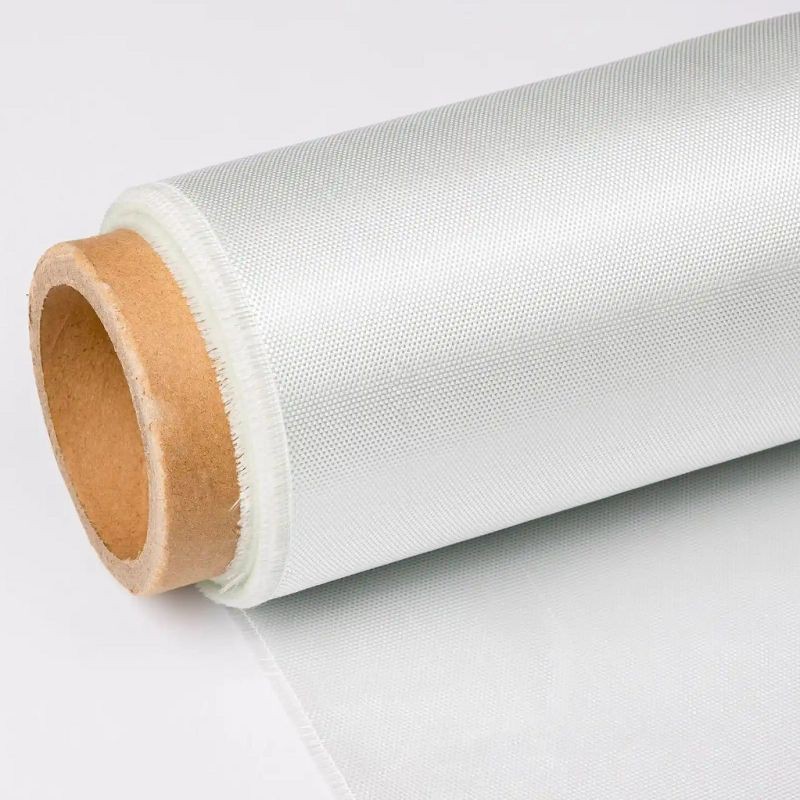
If you are an industrial enterprise looking for a reliable and high - performance flooring solution, I encourage you to consider sand mixed in floor coating. As a supplier, I am committed to providing high - quality products and professional advice to meet your specific needs. Whether you need assistance in selecting the right type of sand, ensuring compatibility with other materials like [Fiberglass Cloth for Vinyl Floor](/auxiliary - materials/fiberglass - cloth - for - vinyl - floor.html), or understanding the application process, I'm here to help. Please feel free to contact me to start a procurement discussion and find the best flooring solution for your industrial facility.
References
- ASTM International. (20XX). Standard test methods for evaluating the performance of industrial floor coatings.
- Industrial Flooring Association. (20XX). Best practices for industrial floor installation and maintenance.
- Journal of Materials Science and Engineering. (20XX). Research on the mechanical properties of sand - filled floor coatings.