

When it comes to the world of auxiliary materials, understanding how to compare different products in terms of performance is crucial. As a supplier of auxiliary materials, I've encountered various situations where clients need guidance on selecting the most suitable materials for their projects. In this blog post, I'll share some insights on how to evaluate and compare auxiliary materials based on their performance.
Understanding the Basics of Auxiliary Materials Performance
Before delving into the comparison process, it's essential to understand what aspects of performance are important for auxiliary materials. Generally, performance can be measured in terms of physical properties, chemical stability, compatibility with other materials, and cost - effectiveness.
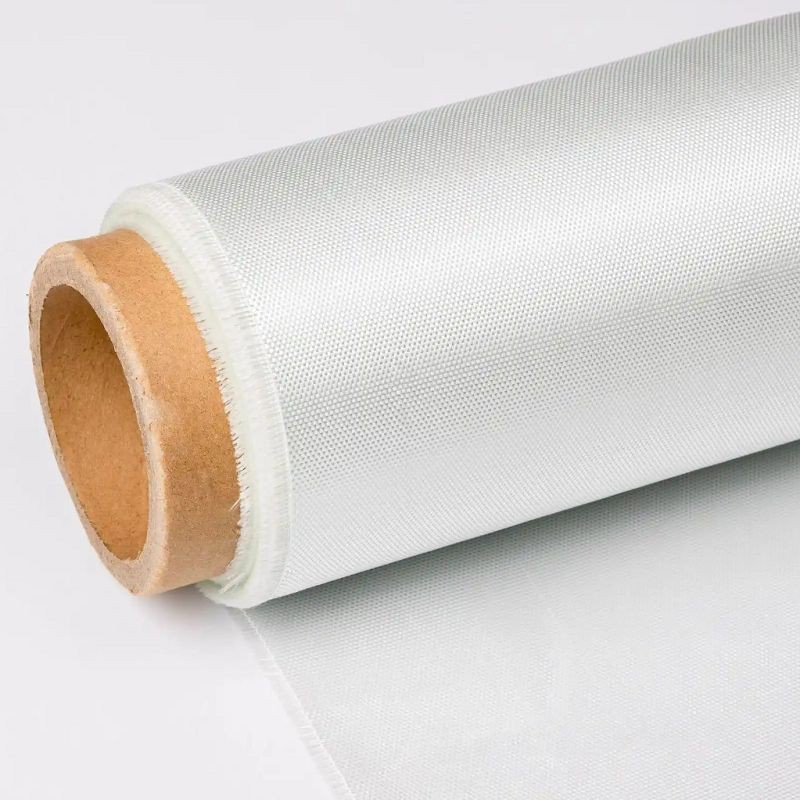
Physical properties such as strength, flexibility, and durability are often top concerns. For example, in the case of Fiberglass Cloth for Vinyl Floor, its strength and flexibility play a significant role in providing support and preventing cracking for the vinyl floor. A high - strength fiberglass cloth can withstand more stress during installation and daily use, ensuring a longer lifespan for the floor.
Chemical stability is another vital factor. Auxiliary materials need to maintain their properties under different environmental conditions. For instance, if an auxiliary material is used in a floor coating, it should resist chemical reactions with the coating components, as well as external factors like moisture and chemicals in the surrounding environment. Talcum Powder Mixed in Floor Coating is known for its chemical inertness, which makes it a suitable additive to enhance the performance of floor coatings.
Compatibility with other materials is also key. When using auxiliary materials, they must work well with the main materials in the project. In floor coating applications, Sand Mixed in Floor Coating needs to be compatible with the coating resin. If the sand is not well - dispersed or reacts negatively with the resin, it can lead to uneven surfaces or reduced coating performance.
Cost - effectiveness is a practical consideration. While high - performance materials are desirable, they should also fit within the budget of the project. Comparing the cost per unit of performance can help in making more informed decisions.
Step - by - Step Comparison Process
1. Define the Requirements
The first step in comparing auxiliary materials is to clearly define the requirements of the project. Consider factors such as the environment where the materials will be used, the expected lifespan of the final product, and any specific performance criteria. For example, if the project is for a high - traffic industrial floor, the auxiliary materials should have excellent wear resistance and load - bearing capacity.
2. Gather Information
Once the requirements are defined, gather information about different auxiliary materials. This can include product datasheets, technical reports, and customer reviews. Contact suppliers, such as myself, to obtain detailed information about the materials' properties, performance, and application methods.

3. Evaluate Physical Properties
Test or obtain data on the physical properties of the auxiliary materials. For materials like fiberglass cloth, measure its tensile strength, elongation at break, and tear resistance. For powders used in coatings, evaluate their particle size distribution, as it can affect the coating's smoothness and coverage.
4. Assess Chemical Stability
Conduct chemical tests or refer to existing research on the chemical stability of the materials. Check for resistance to common chemicals, moisture, and temperature variations. This is particularly important for materials used in outdoor or chemically - exposed environments.
5. Check Compatibility
Perform compatibility tests if possible. Mix small amounts of the auxiliary materials with the main materials to observe any reactions or incompatibilities. This can prevent issues such as delamination, discoloration, or reduced bonding strength in the final product.
6. Analyze Cost - Effectiveness
Calculate the cost - effectiveness of each auxiliary material by comparing the cost with the expected performance. Consider factors such as the amount of material required, the installation cost, and the maintenance cost over the lifespan of the project.
Real - World Examples of Comparison
Let's take the example of comparing different additives for floor coatings. We have talcum powder, sand, and another synthetic additive.
Physical Properties
Talcum powder has a fine particle size, which can contribute to a smooth finish of the floor coating. Sand, on the other hand, provides a rougher texture, which can improve slip resistance. The synthetic additive may have a more uniform particle size and can enhance the coating's flexibility.
Chemical Stability
Talcum powder is chemically stable and does not react easily with most coating components. Sand is also relatively stable, but it may contain impurities that could potentially react with the coating. The synthetic additive needs to be carefully evaluated for its chemical stability, especially if it contains reactive functional groups.
Compatibility
Talcum powder is generally compatible with a wide range of coating resins. Sand needs to be properly washed and treated to ensure good compatibility. The synthetic additive may require specific formulation adjustments to be compatible with the coating system.
Cost - Effectiveness
Talcum powder is often relatively inexpensive, making it a cost - effective choice for improving the coating's smoothness. Sand is also cost - effective, especially if it is locally sourced. The synthetic additive may be more expensive, but it could offer unique performance benefits that justify the cost in certain applications.
Importance of Supplier Support
As a supplier of auxiliary materials, I understand the importance of providing comprehensive support to clients. I can offer technical advice on material selection, provide samples for testing, and assist with troubleshooting during the application process. When comparing different auxiliary materials, having a reliable supplier can make the process much easier and more successful.
If you're in the process of selecting auxiliary materials for your project, I encourage you to reach out for a detailed discussion. We can work together to find the most suitable materials based on your specific requirements and budget. Contact me to start the procurement and negotiation process, and let's create a high - performance solution for your project.
References
- ASTM International. Standard test methods for various materials.
- Textbooks on materials science and engineering, which cover the properties and applications of auxiliary materials.
- Industry reports on the latest trends and developments in auxiliary materials.