

As a supplier of auxiliary materials, I understand the crucial importance of measuring the effectiveness of these products. Auxiliary materials play a significant role in various industries, enhancing the performance, durability, and functionality of the main products. In this blog, I will share some key methods and considerations for measuring the effectiveness of auxiliary materials, based on my experience in the industry.
Understanding the Purpose and Requirements
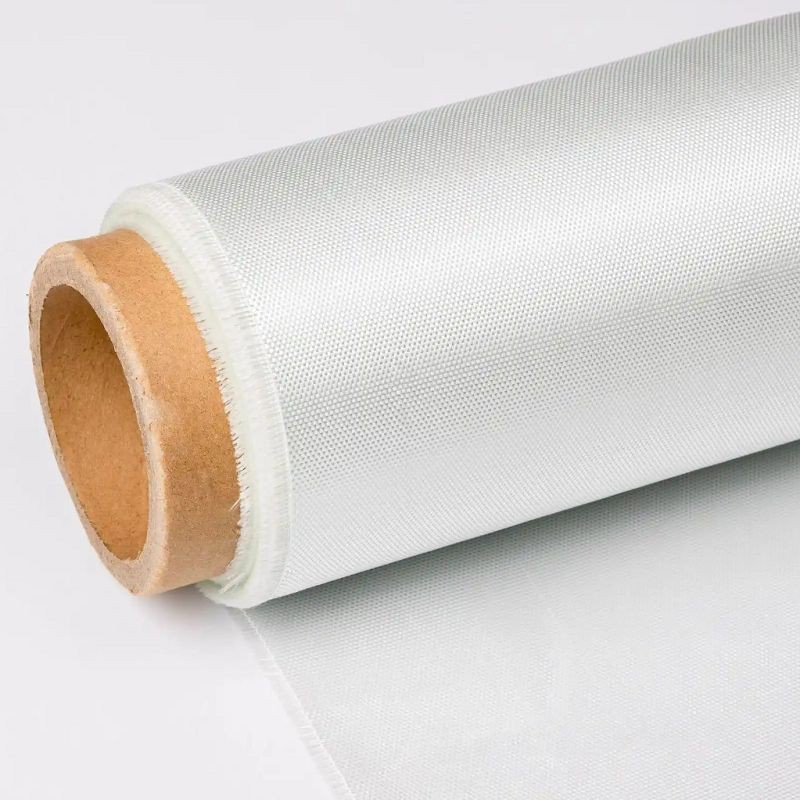
Before measuring the effectiveness of auxiliary materials, it is essential to have a clear understanding of their purpose and the specific requirements of the application. Different auxiliary materials are designed for different functions, such as improving adhesion, providing protection, enhancing conductivity, or adding color. For example, Fiberglass Cloth for Vinyl Floor is used to reinforce the vinyl floor, increasing its strength and resistance to wear and tear. Therefore, the effectiveness of this auxiliary material should be measured in terms of its ability to enhance the mechanical properties of the vinyl floor.
To determine the requirements, it is necessary to consult with the end-users or the manufacturers of the main products. They can provide valuable insights into the performance criteria, such as the desired level of strength, flexibility, chemical resistance, or aesthetic appearance. By aligning the measurement methods with the specific requirements, we can ensure that the effectiveness of the auxiliary materials is accurately evaluated.
Physical and Chemical Testing
Physical and chemical testing is one of the most common methods for measuring the effectiveness of auxiliary materials. These tests can provide quantitative data on various properties, such as hardness, tensile strength, elongation, viscosity, density, and chemical composition. For example, to measure the effectiveness of Epoxy Floor Paint Clor Paste, we can conduct tests on its color fastness, abrasion resistance, and chemical resistance.
There are several standard testing methods available, such as those developed by the American Society for Testing and Materials (ASTM) or the International Organization for Standardization (ISO). These methods provide a standardized procedure for conducting the tests, ensuring the accuracy and comparability of the results. In addition to the standard tests, we can also develop customized tests based on the specific requirements of the application.
Performance Testing in Real-World Applications
While physical and chemical testing can provide valuable information about the properties of auxiliary materials, it is also important to evaluate their performance in real-world applications. This can be achieved through field trials or pilot projects, where the auxiliary materials are used in actual production processes or end-use environments. For example, to measure the effectiveness of Copper Foil for Anti-static Floor, we can install it in a static-sensitive environment and monitor its ability to dissipate static electricity.
During the performance testing, it is important to collect data on various parameters, such as the product quality, production efficiency, cost savings, and customer satisfaction. This data can be used to evaluate the overall effectiveness of the auxiliary materials and to identify any areas for improvement. In addition, it is also important to consider the long-term performance of the auxiliary materials, as some effects may only become apparent over time.
Cost-Benefit Analysis
In addition to the performance evaluation, it is also important to conduct a cost-benefit analysis when measuring the effectiveness of auxiliary materials. This involves comparing the cost of using the auxiliary materials with the benefits they provide, such as the improved product quality, increased production efficiency, or reduced maintenance costs. For example, if the use of a particular auxiliary material can significantly reduce the defect rate in the production process, it may be worth the additional cost.
To conduct a cost-benefit analysis, it is necessary to identify all the relevant costs and benefits associated with the use of the auxiliary materials. This includes the purchase cost, installation cost, operating cost, and any potential savings or revenue generated. By quantifying these costs and benefits, we can calculate the net present value (NPV) or the return on investment (ROI) of using the auxiliary materials. This can help us to make informed decisions about whether to use the auxiliary materials and which ones to choose.
Customer Feedback and Satisfaction
Finally, customer feedback and satisfaction are important indicators of the effectiveness of auxiliary materials. Customers are the end-users of the products, and their opinions and experiences can provide valuable insights into the performance and usability of the auxiliary materials. By collecting feedback from customers, we can identify any issues or areas for improvement and make necessary adjustments to the products or the manufacturing processes.
There are several ways to collect customer feedback, such as surveys, interviews, or online reviews. It is important to ask specific questions about the performance, quality, and value of the auxiliary materials, as well as any suggestions for improvement. By analyzing the feedback, we can identify the strengths and weaknesses of the products and develop strategies to enhance customer satisfaction.
Conclusion
Measuring the effectiveness of auxiliary materials is a complex process that requires a comprehensive approach. By understanding the purpose and requirements, conducting physical and chemical testing, evaluating the performance in real-world applications, conducting a cost-benefit analysis, and collecting customer feedback, we can accurately assess the effectiveness of the auxiliary materials and make informed decisions about their use.

As a supplier of auxiliary materials, I am committed to providing high-quality products that meet the specific needs of our customers. By continuously improving our measurement methods and product performance, we can ensure that our auxiliary materials deliver the best possible results in various applications. If you are interested in learning more about our auxiliary materials or would like to discuss your specific requirements, please feel free to contact us for a consultation. We look forward to working with you to find the most effective solutions for your business.
References
- ASTM International. (n.d.). Standards for materials testing. Retrieved from [ASTM website]
- International Organization for Standardization. (n.d.). ISO standards. Retrieved from [ISO website]