

Hey there! As a supplier of auxiliary materials in the food industry, I've seen firsthand how these often-overlooked items play a crucial role. So, let's dive into the uses of auxiliary materials in the food industry.
1. Preservation and Shelf - Life Extension
One of the most important uses of auxiliary materials is to preserve food and extend its shelf - life. For example, antioxidants are a type of auxiliary material. They prevent the oxidation of fats and oils in food products. Oxidation can lead to rancidity, which not only changes the taste and smell of food but also reduces its nutritional value. There are natural antioxidants like vitamin C and E, and synthetic ones. These antioxidants are added to various food items such as cooking oils, snacks, and processed meats.
Another key group is preservatives. They inhibit the growth of microorganisms like bacteria, yeast, and mold. This is especially important for perishable foods. For instance, sodium benzoate is commonly used in acidic foods like fruit juices, pickles, and salad dressings. It helps keep these products safe to consume for a longer period.
2. Texture and Consistency Improvement
Auxiliary materials also help in achieving the right texture and consistency for food products. Emulsifiers are a great example. In food, many products are emulsions, which are mixtures of two immiscible substances like oil and water. Mayonnaise, for example, is an oil - in - water emulsion. Emulsifiers like lecithin help keep the oil droplets dispersed evenly in the water phase, preventing them from separating. This gives mayonnaise its smooth and creamy texture.
Thickeners and stabilizers are also vital. They are used in products like sauces, soups, and dairy desserts. Agar - agar, a natural thickener derived from seaweed, is often used in making jellies and puddings. It gives these products a firm yet smooth texture.
3. Flavor Enhancement
Flavor is a major factor in food acceptance, and auxiliary materials can significantly enhance it. Flavor enhancers like monosodium glutamate (MSG) are well - known. It doesn't have a strong flavor on its own but can enhance the umami taste in foods. MSG is commonly used in savory dishes, such as Chinese cuisine and processed meats.
Spices and herbs are also considered auxiliary materials in a way. They are used to add a wide range of flavors to food. For example, cinnamon is used to add a sweet and warm flavor to baked goods, while cumin gives a earthy and spicy note to Mexican and Indian dishes.
4. Color Enhancement
The appearance of food is just as important as its taste. Colorants are used to make food more visually appealing. Natural colorants, such as beetroot extract, are used to add a red color to food products like ice creams and yogurt. They are a healthier alternative to some synthetic colorants.
Synthetic colorants are also widely used, especially in candies and soft drinks. They can create bright and attractive colors that are hard to achieve with natural sources alone. However, there are strict regulations regarding their use to ensure safety.
5. Packaging - Related Uses
Auxiliary materials are also crucial in food packaging. Oxygen absorbers are used in packages of dry foods like nuts and cereals. They remove oxygen from the package, preventing the oxidation of the food and the growth of aerobic microorganisms.
Desiccants are another important packaging auxiliary material. They absorb moisture, which is essential for keeping dry foods dry and preventing mold growth. Silica gel packets are commonly found in packages of snacks and electronics for this purpose.
Our Range of Auxiliary Materials
As a supplier, we offer a wide variety of auxiliary materials for the food industry. We understand the importance of quality and safety, so all our products meet the highest industry standards.
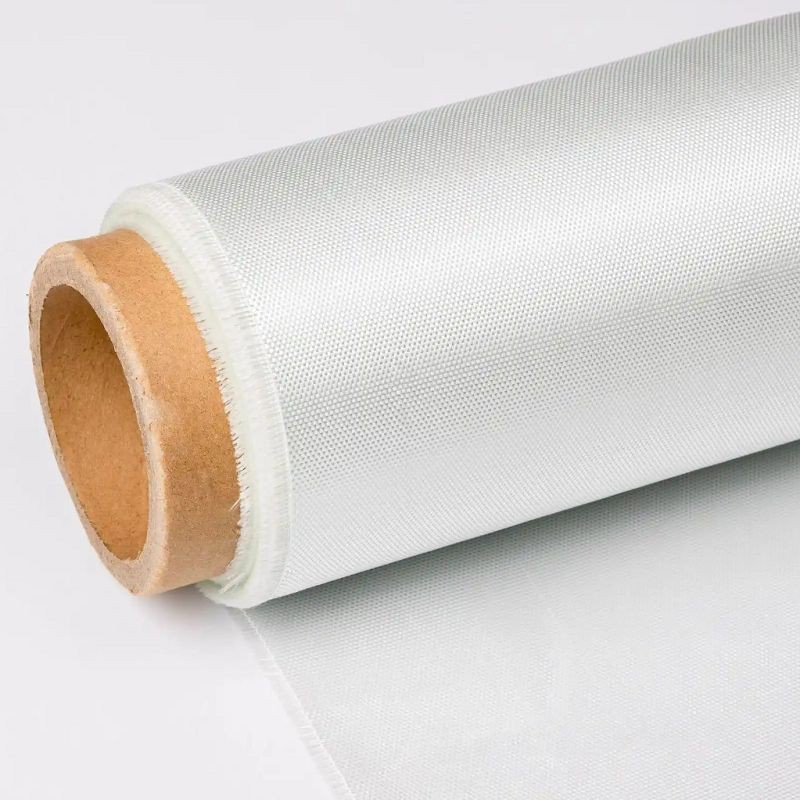
We also supply some auxiliary materials that are not directly related to food but are used in the food production environment. For example, Fiberglass Cloth for Vinyl Floor is used in the flooring of food processing plants. It provides a durable and easy - to - clean surface, which is essential for maintaining a hygienic environment.
Epoxy Floor Paint Clor Paste is another product we offer. It can be used to paint the floors in food storage areas. The paste allows for easy color customization, and the epoxy paint is resistant to chemicals and abrasion.
Sand Mixed in Floor Coating is used to create a non - slip surface in areas where there is a risk of spills, such as near food processing equipment. This helps prevent accidents and ensures the safety of workers.
Why Choose Us?
We have years of experience in the industry, and our team is dedicated to providing the best products and services. We offer competitive prices and fast delivery. Our customer support is always ready to answer your questions and help you with your procurement needs.
If you're in the food industry and looking for high - quality auxiliary materials, we'd love to hear from you. Whether you need a small quantity for a new product trial or a large order for your production line, we can meet your requirements. Contact us today to start a procurement discussion, and let's work together to make your food products even better!

References
- "Food Additives: A Consumer's Guide" by the Food and Drug Administration.
- "Handbook of Food Preservation" edited by M. P. Barbosa - Canovas, G. V. Barbosa - Canovas, and J. Welti - Chanes.
- "Food Texture and Viscosity: Concept and Measurement" by Malcolm C. Bourne.