

As a supplier specializing in sand mixed in floor coating, I've often been asked a crucial question by customers and industry enthusiasts alike: Does sand mixed in floor coating change the hardness of the coating? This question is not only significant for those looking to enhance the durability of their floors but also for professionals in the construction and flooring industries. In this blog, I'll delve into the science behind this query, exploring the impact of sand on floor coating hardness and how it can benefit various applications.
The Basics of Floor Coating and Sand
Before we discuss the effect of sand on coating hardness, let's understand the fundamental components. Floor coatings are designed to protect and enhance the appearance of floors. They come in various types, such as epoxy, polyurethane, and acrylic, each with its own set of properties and applications. These coatings form a protective layer on the floor surface, preventing damage from wear, chemicals, and environmental factors.
Sand, on the other hand, is a granular material composed of finely divided rock and mineral particles. When mixed with floor coating, it serves multiple purposes. It can improve the slip resistance of the floor, add texture, and potentially alter the physical properties of the coating, including its hardness.
How Sand Affects Coating Hardness
The addition of sand to floor coating can indeed change its hardness. Here's how:
1. Reinforcement of the Coating Matrix
Sand particles act as a reinforcement within the coating matrix. When the coating cures, the sand particles become embedded in the polymer structure, creating a composite material. This composite has enhanced mechanical properties compared to the pure coating. The sand particles distribute stress more evenly across the coating, preventing the formation and propagation of cracks. As a result, the overall hardness of the coating increases, making it more resistant to abrasion and indentation.
2. Filling of Micro - voids
During the curing process, floor coatings may develop micro - voids, which can weaken the coating structure. Sand particles can fill these micro - voids, reducing the porosity of the coating. A less porous coating is denser and harder, as there are fewer weak points for stress to concentrate. This filling effect also improves the coating's resistance to chemical penetration, further enhancing its durability.
3. Modification of the Coating's Elasticity
The presence of sand can modify the elasticity of the floor coating. A harder coating is generally less elastic, which means it can better withstand high - pressure loads without deforming. However, it's important to note that an excessive amount of sand can make the coating too brittle, reducing its ability to absorb shock and potentially leading to cracking under certain conditions.
Factors Influencing the Impact of Sand on Coating Hardness
Several factors determine the extent to which sand affects the hardness of floor coating:
1. Sand Particle Size
The size of the sand particles plays a crucial role. Larger particles tend to provide more significant reinforcement but may also create a rougher surface finish. Smaller particles, on the other hand, can fill micro - voids more effectively and result in a smoother surface. A proper balance must be struck between particle size and the desired coating properties.
2. Sand Concentration
The amount of sand mixed with the coating is another important factor. A higher concentration of sand generally leads to a harder coating, but there is a limit. Beyond a certain point, adding more sand may cause the coating to become too thick, difficult to apply, and prone to cracking. The optimal sand concentration depends on the type of coating, the application method, and the intended use of the floor.

3. Type of Sand
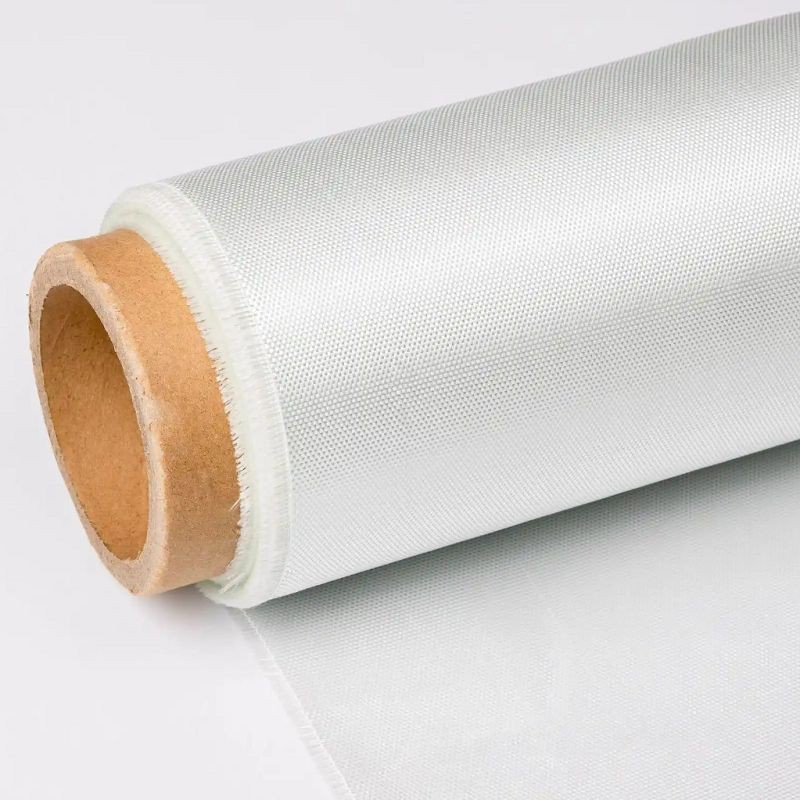
Different types of sand have different mineral compositions and physical properties. For example, silica sand is commonly used in floor coatings due to its high hardness and chemical stability. Other types of sand, such as limestone sand, may have different effects on the coating's hardness and chemical resistance.
Applications of Sand - Mixed Floor Coatings
The enhanced hardness of sand - mixed floor coatings makes them suitable for a wide range of applications:
1. Industrial Floors
In industrial settings, floors are subjected to heavy traffic, abrasion, and chemical spills. Sand - mixed floor coatings can provide the necessary durability to withstand these harsh conditions. They are commonly used in factories, warehouses, and manufacturing plants.
2. Commercial Floors
Commercial spaces, such as shopping malls, restaurants, and offices, also benefit from the increased hardness of sand - mixed floor coatings. These coatings can resist the wear and tear caused by foot traffic and furniture movement, maintaining a clean and professional appearance for longer periods.
3. Outdoor Floors
Outdoor floors, such as patios, walkways, and pool decks, are exposed to the elements. Sand - mixed floor coatings can protect these surfaces from UV radiation, water damage, and abrasion from foot traffic and outdoor equipment.
Related Auxiliary Materials
In addition to sand - mixed floor coatings, there are other auxiliary materials that can enhance the performance of floors. For anti - static floors, Copper Foil for Anti - static Floor can be used to dissipate static electricity, preventing damage to electronic equipment and reducing the risk of fire. For vinyl floors, Fiberglass Cloth for Vinyl Floor can increase the strength and durability of the vinyl, while for epoxy floors, Fiberglass Cloth for Epoxy Floor can provide additional reinforcement.
Contact for Purchase and Consultation
If you're interested in our sand - mixed floor coatings or have questions about how sand can affect the hardness of your floor coating, we're here to help. Our team of experts can provide you with detailed information, product samples, and technical support. Whether you're a contractor, a facility manager, or a DIY enthusiast, we can assist you in finding the right solution for your flooring needs.
References
- ASTM International. (Year). Standard test methods for hardness of organic coatings. ASTM D - 2240.
- Paint and Coatings Industry Magazine. (Year). The impact of fillers on coating properties.
- Construction Materials Research Journal. (Year). Study on the mechanical properties of sand - reinforced floor coatings.