

Hey there! As a supplier of auxiliary materials, I've been in the game for quite a while, and one question that keeps popping up is how to ensure the compatibility of auxiliary materials with other substances. It's a crucial aspect, whether you're working on a small DIY project or a large - scale industrial application. In this blog, I'll share some insights and tips that I've gathered over the years.
First off, let's understand what auxiliary materials are. These are the substances that are used in conjunction with the main materials to enhance their performance, improve their properties, or make the manufacturing process more efficient. For example, in the flooring industry, we have Fiberglass Cloth for Vinyl Floor, Copper Foil for Anti - static Floor, and Fiberglass Cloth for Epoxy Floor. These materials play a vital role in ensuring the durability, functionality, and aesthetics of the floors.
Understanding the Chemical Properties
The first step in ensuring compatibility is to have a clear understanding of the chemical properties of both the auxiliary materials and the substances they'll be combined with. Different materials have different chemical compositions, and these compositions determine how they'll react with each other. For instance, if you're using a fiberglass cloth as an auxiliary material for an epoxy floor, you need to know the chemical makeup of the epoxy resin. Epoxy resins are typically made up of epoxide groups, which can react with various substances. The fiberglass cloth should be chemically inert or have a compatible chemical structure so that it doesn't cause any adverse reactions.
One way to get this information is to check the material safety data sheets (MSDS) provided by the manufacturers. These sheets contain detailed information about the chemical composition, potential hazards, and compatibility of the materials. You can also consult with the technical experts at the manufacturing companies. They have in - depth knowledge and can provide valuable advice on which auxiliary materials are suitable for specific substances.
Conducting Compatibility Tests
Once you have an understanding of the chemical properties, the next step is to conduct compatibility tests. These tests can be as simple or as complex as you need them to be, depending on the scale of your project. For small - scale projects, you can do a small - scale trial. For example, if you're planning to use a copper foil for an anti - static floor, you can take a small sample of the copper foil and apply it to a small section of the floor material. Observe the area over a period of time to see if there are any signs of discoloration, delamination, or other adverse reactions.
In a more industrial setting, you might need to conduct more comprehensive tests. This could involve using specialized equipment to measure factors like adhesion strength, chemical resistance, and mechanical properties. You can also perform accelerated aging tests, where you expose the combined materials to harsh conditions such as high temperatures, humidity, or chemical exposure to simulate long - term use. These tests can help you identify any potential compatibility issues before you start the full - scale production.
Considering Physical Properties
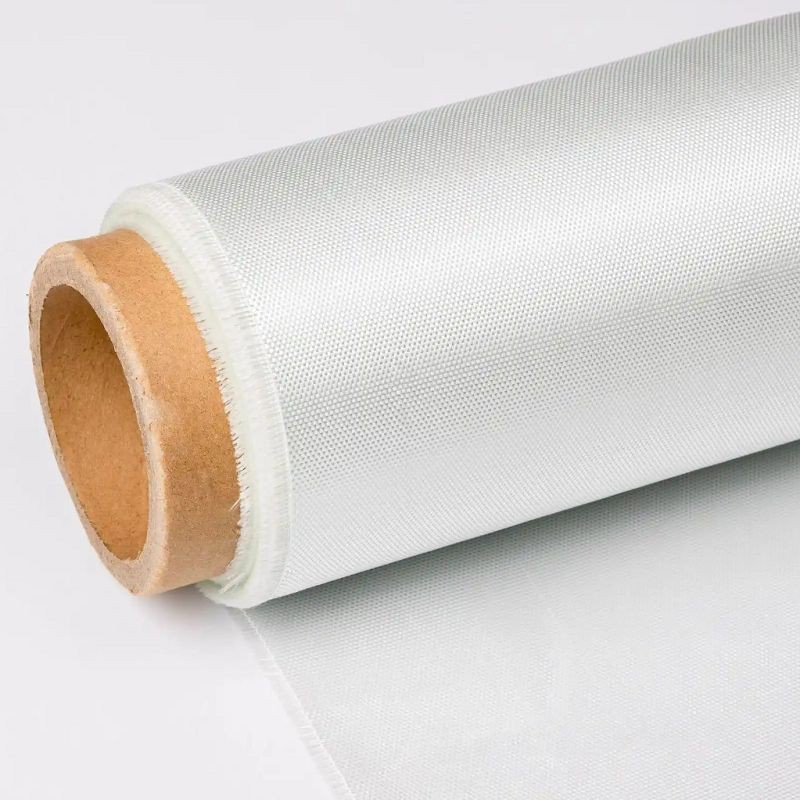
It's not just the chemical properties that matter; physical properties also play a significant role in compatibility. For example, the texture, density, and flexibility of the auxiliary materials need to be compatible with the main substances. If you're using a fiberglass cloth for a vinyl floor, the cloth should have a texture that allows it to bond well with the vinyl. If the cloth is too rough or too smooth, it might not adhere properly, leading to delamination or other problems.
The density of the materials is also important. If the density of the auxiliary material is significantly different from that of the main substance, it can cause issues during the manufacturing process. For example, if the copper foil for an anti - static floor is too dense, it might not distribute evenly in the floor material, affecting the anti - static performance.

Storage and Handling
Proper storage and handling of the auxiliary materials can also impact their compatibility with other substances. Auxiliary materials should be stored in a clean, dry, and temperature - controlled environment. Exposure to moisture, heat, or chemicals during storage can change the properties of the materials, making them less compatible with the main substances.
When handling the materials, you need to follow the proper procedures. For example, when cutting or shaping the fiberglass cloth, you should use the right tools to avoid damaging the fibers. Any damage to the fibers can affect the performance of the cloth and its compatibility with the floor material.
Working with Reputable Suppliers
As an auxiliary materials supplier myself, I know how important it is to work with reputable suppliers. A good supplier will not only provide high - quality materials but also offer technical support and advice on compatibility. They'll have a wide range of products and can help you choose the right auxiliary materials for your specific needs.
When choosing a supplier, look for one with a good track record. Check customer reviews and testimonials to see what other people have to say about their products and services. A reliable supplier will also be able to provide you with up - to - date information about the materials, including any changes in the chemical or physical properties.
Conclusion
Ensuring the compatibility of auxiliary materials with other substances is a multi - step process that involves understanding the chemical and physical properties, conducting compatibility tests, proper storage and handling, and working with reputable suppliers. By following these steps, you can minimize the risk of compatibility issues and ensure the success of your projects.
If you're in the market for high - quality auxiliary materials and need help with compatibility, don't hesitate to reach out. We're here to assist you in finding the right solutions for your needs. Whether you're working on a small DIY project or a large - scale industrial application, we can provide you with the products and support you need.
References
- ASTM International. (Year). Standard test methods for various materials. ASTM Publications.
- Manufacturer's material safety data sheets for auxiliary materials and main substances.