


I. Temperature Control: The "Top Priority" for Winter Construction
The curing reaction of epoxy floor paint is extremely sensitive to temperature. When the ambient temperature is below 10℃, the curing speed slows down significantly; below 5℃, incomplete curing may occur- the surface seems dry but the interior fails to fully react, which is likely to cause peeling, cracking, insufficient wear resistance and other problems later.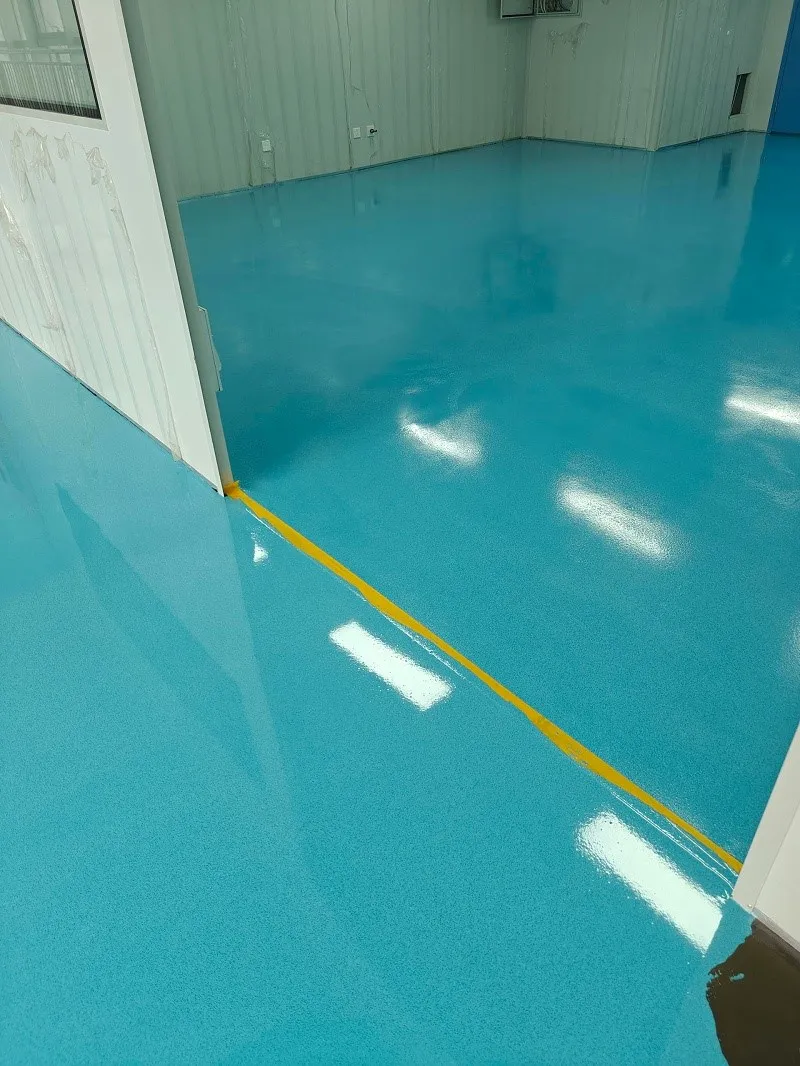
Practical Temperature Control Measures:
For indoor construction, turn on heating, air conditioning or hot air blowers in advance to stabilize the floor and air temperature above 10℃. Avoid blowing hot air directly at the uncured coating to prevent rapid surface water loss and bubble formation.
For outdoor or unheated spaces, prioritize construction during the high-temperature period from noon to 3 PM. Ensure the floor is free of ice and moisture before construction; lay thermal insulation cotton if necessary to increase the floor temperature.
II. Humidity Prevention: Guard Against "Invisible Moisture" in Winter
Although winter is not as humid as the plum rain season, condensation water is prone to form on the floor due to day and night temperature differences in low-temperature environments- especially in underground garages, first-floor areas, etc. Moisture will greatly reduce the adhesion between the coating and the floor.
Humidity Control Steps:
Before construction, use a hygrometer to test the floor moisture content, which must be ≤8%. If it exceeds the standard, first apply epoxy moisture-proof primer for moisture-proof treatment.
Maintain ventilation during construction and avoid opening windows on rainy/snowy days or early mornings with high humidity. If the outdoor humidity is >60%, close doors and windows and use dehumidifiers to reduce indoor humidity.
III. Material Handling: Low-Temperature Materials Require "Preheating Adaptation"
Epoxy floor paint stored in winter (especially Component A resin) will become viscous due to low temperature, affecting the brushing fluidity and possibly leading to uneven mixing, thereby impairing the curing effect.
Correct Material Usage Methods:
1-2 days before construction, move the coatings to the construction site and let them preheat naturally in an environment above 10℃. Do not expose them to direct sunlight or heat them with open flames to avoid material deterioration.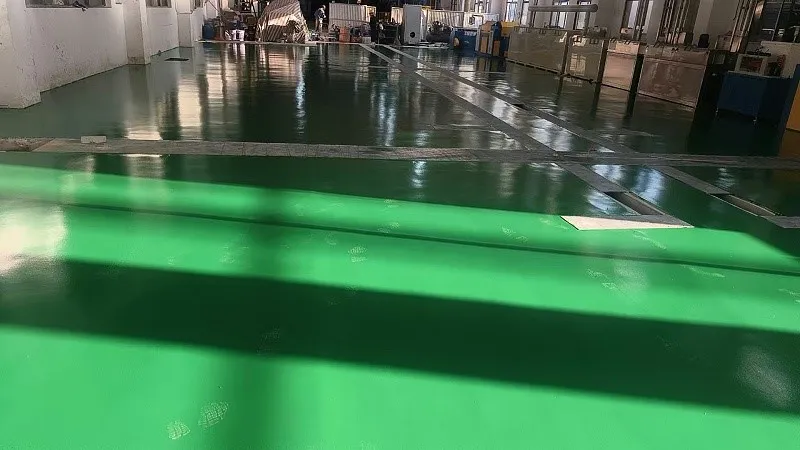
Mix the coatings strictly according to the ratio in the manual. Extend the stirring time by 1-2 minutes compared with summer to ensure complete fusion of Component A and B. After stirring, let it stand for 3-5 minutes to allow bubbles to dissipate naturally before construction.
IV. Process Adjustment: Adapt to Winter Characteristics, Prioritize Effectiveness Over Speed
The curing speed is slow in winter, so the construction period needs to be longer than that in summer. Rushing the construction according to the summer schedule is likely to cause quality problems, requiring targeted process adjustments.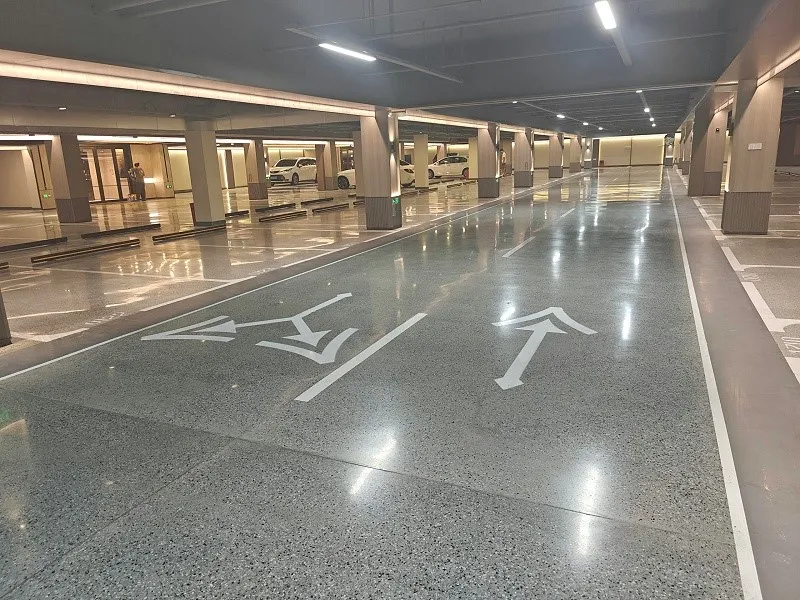
Key Process Optimization Points:
Extend the coating interval: The topcoat can be applied 6-8 hours after the primer in summer, while in winter it needs to be extended to 12-24 hours. The applicable construction standard is no stickiness or marks when lightly touched with fingers.
Control the coating thickness: Keep the primer and intermediate coat at the conventional thickness; apply the topcoat in two thin layers (each ≤0.2mm) to avoid slow internal curing, pinholes, orange peel and other defects caused by a single thick coat.
Extend the curing period to more than 7 days (usually 3-5 days in summer). During the curing period, prohibit personnel from walking around at will and stacking heavy objects to prevent coating scratches or contamination.
【Keywords】 Epoxy Floor, Epoxy Floor Paint, Floor Paint Effect Pictures, Polyurethane Floor Paint, How Much Per Square Meter for Floor Paint【Editor-in-Charge】


