


In the anti-static self-leveling floor system, copper foil installation is a core process that determines whether the anti-static performance meets standards and remains durable. Its primary function is to establish an electrostatic conduction and dissipation network. This guide breaks down professional key points across the entire process-from construction workflow and quality inspection to technical standards-making it suitable for sensitive scenarios such as electronic factories and data centers.
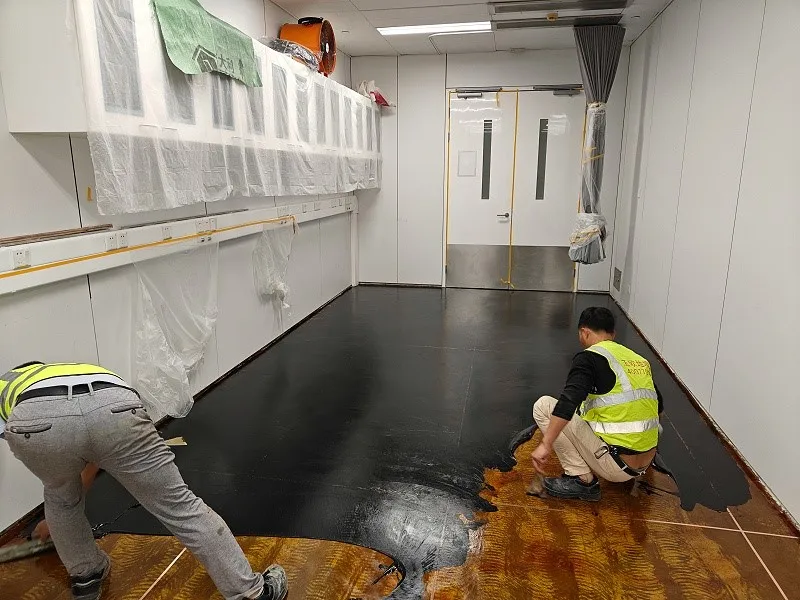
1. Pre-Construction: Complete 3 Fundamental Preparations
Substrate Preparation: First, fully grind the base floor to remove laitance, oil stains, and impurities. Fill cracks and potholes with repair materials to ensure the base is flat and solid. Finally, clean residual dust with a vacuum cleaner to lay the foundation for subsequent construction.
Waterproofing Treatment: For ground floors (first-floor spaces), waterproofing must be completed in advance to prevent underground moisture from rising. This avoids compromising floor adhesion and anti-static performance later.
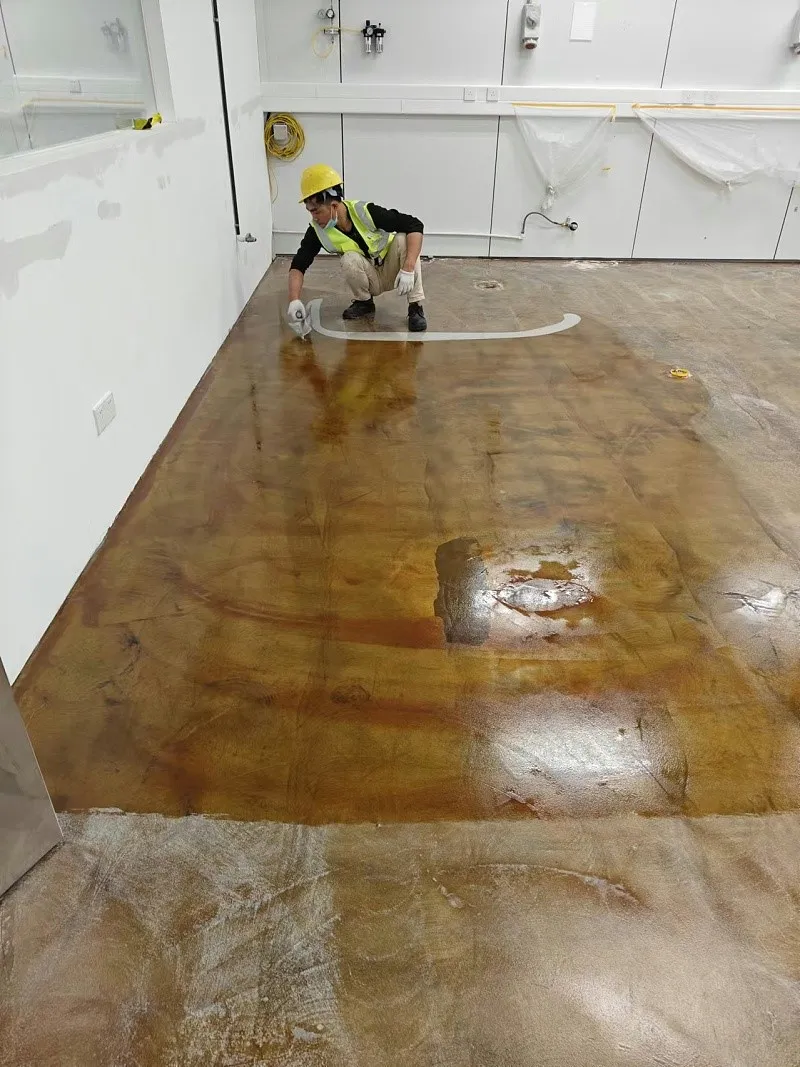
Applying Anti-static Primer: Use a high-permeability, strong-adhesion anti-static epoxy primer and roll it on evenly in one coat. The primer enhances the bonding force between the substrate and copper foil; wait for it to fully cure before proceeding to copper foil installation.
2. Copper Foil Installation: 4 Key Technical Operations
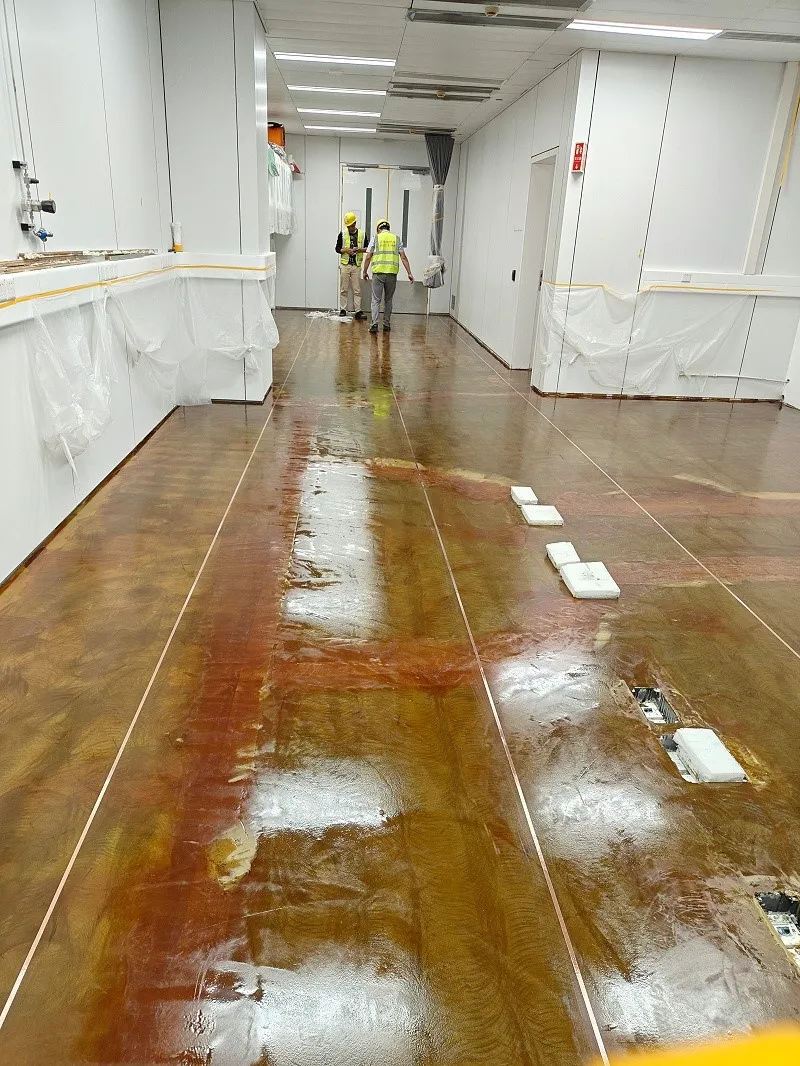
Determine Installation Parameters: Adopt a "grid pattern" (well-type) layout to build a complete conductive network. The horizontal and vertical spacing between copper foils should not exceed 6 meters. Use conductive copper foil with a width of 2–3 cm and a thickness of 0.03–0.1 mm to ensure full network coverage.
Precise Copper Foil Laying: Apply conductive adhesive evenly on the back of the copper foil, align it with pre-marked lines, and gently press the foil with a scraper. Ensure full contact with the ground, with no warping or air bubbles. Overlap copper foils at intersections and apply additional conductive adhesive to guarantee conductivity.
Grounding System Connection: Firmly connect the copper foil network to the grounding wire. According to standards, set at least 4 grounding points per 100 square meters to ensure effective dissipation of static electricity to the ground.
In-Process Quality Control: Avoid damaging the copper foil during installation. Keep tools clean to prevent contamination that could affect conductivity. If cutting is required, ensure neat cuts to minimize resistance breakpoints.
3. Quality Inspection: 1 Core Test to Ensure Conductivity
During copper foil installation, use a megohmmeter to perform a conductivity test:
Focus on measuring the resistance between adjacent copper foils; the resistance value must be less than 10⁵Ω.
If non-conductive areas are detected, promptly identify the cause (e.g., uneven conductive adhesive application, poor foil adhesion), reattach the foil, and retest to ensure the entire copper foil network conducts effectively.
4. Post-Copper Foil Installation: 4 Subsequent Process Connections
Applying Anti-static Middle Coat: Mix epoxy resin with an appropriate amount of quartz sand and apply 1–2 coats evenly with a trowel. The middle coat fills gaps in the copper foil and enhances the overall strength of the floor.
Anti-static Skim Coating: Apply several coats of skim coating material based on the required floor flatness. Ensure the surface is free of holes, trowel marks, and sanding marks for a smooth base.
Troweling Anti-static Top Coat: Use a dedicated notched trowel to apply the anti-static self-leveling top coat. After troweling, roll with a notched roller to eliminate bubbles, ensuring the top coat is flat and bubble-free.
Standard Curing: After construction, allow 24 hours of curing at 25°C before allowing pedestrian traffic, and 72 hours before subjecting it to heavy loads. If the ambient temperature is low, extend the curing time appropriately to avoid premature use affecting floor performance.
5. Technical Standards and Precautions
5.1 Core Technical Parameter Standards
After floor completion, the anti-static performance must meet the following indicators:
Surface Resistance: 10⁶–10⁹Ω
Volume Resistance: 10⁶–10⁹Ω
5.2 Construction Precautions
Environment Control: Maintain a construction environment temperature above 10°C and humidity below 85%, with good ventilation. Avoid improper temperature/humidity affecting material curing.
Timing Control: Lay copper foil only after the anti-static primer is fully cured, but do not delay too long-this prevents primer surface contamination from reducing bonding force.
Post-Installation Protection: During middle coat and top coat construction, avoid tool damage to the laid copper foil network. If damage is found, repair it promptly.
6. Applicable Fields
This anti-static self-leveling floor system is widely used in:
Electronic production and product packaging areas
Telecommunications and electronic equipment control rooms, data centers
Static-sensitive laboratories and precision instrument workshops

【Article Tags】Epoxy Floor, Epoxy Floor Paint, Floor Paint Renderings, Polyurethane Floor Paint, How Much Is Floor Paint Per Square Meter【Editor-in-Charge】


